Commercial Roll-Up Door Springs
Columbus Commercial Doors
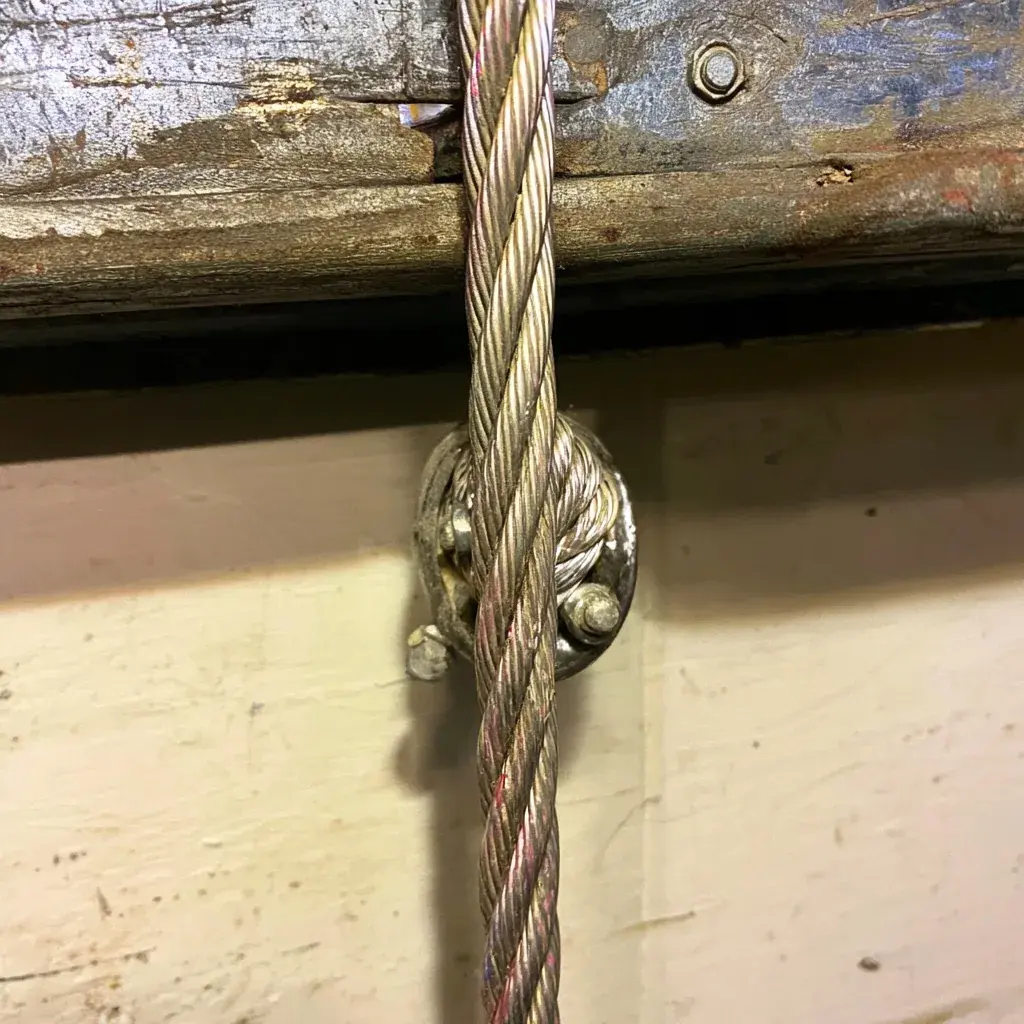
High-cycle sectional spring service for Columbus loading bays, planned around freight schedules, impact checks, and service records.
Schedule high-cycle spring service during a shipping pause or off-shift window. Track door cycles and movement, record spring details and impact damage, and have a professional check door balance before returning the bay to normal use.
A loading bay door spring counterbalances a sectional dock door so it can travel without relying on the opener to lift its full weight. If the door hangs crooked, stops moving, or has a visible spring break, stop using it and keep people clear. In Columbus, a disabled bay can hold up receiving or shipping while work shifts elsewhere. The useful measure is the delay the dead opening creates each hour. Spring service planning starts by linking door use, operating signs, and the next practical work window.
Commercial spring repair cost changes with the door’s size and spring specification, its condition, impact damage, and the timing needed to avoid busy hours. A door with a struck section may need more attention than a spring change alone. In Columbus, note which shipments or tasks depend on that opening and what delay follows when it is unavailable. This gives the pros we connect you with useful scheduling context. It also helps you compare a planned service window with the cost of leaving the bay idle.
The service question is how to keep a high-use dock door available without waiting for a mid-shift failure. At a Columbus facility, start with observed use and the shipping calendar, then set a review and service window around them. Keep impact damage in that decision; a new spring does not correct a bent door part. If your records cover buildings in Hartsville or Edinburgh too, identify each opening separately. Ask for a dock door spring schedule built around your shipping hours so service does not interrupt freight flow.
Count a cycle whenever the door completes one opening and one closing. That count helps compare observed daily use with the spring’s rated life; elapsed time alone cannot show how much work it has done. A visible gap in a torsion spring can flag a problem that cycle totals do not capture. At a Columbus site, record the rating alongside the door’s use estimate. It gives you a basis for planning a change before the opening becomes unavailable.
Listen for a new scrape or watch for a door that rises unevenly after freight or a vehicle contacts it. Those signs call for a closer look at the door and spring system before routine use resumes. A strike can shift how the door travels and put extra strain on the counterbalance. For a Columbus service log, record where the mark appears, when it was noticed, and whether movement changed. Leave adjustment to a qualified professional; loaded spring hardware stores force.
| Door demand | Spring rating | Service window |
|---|---|---|
| Opening load | Occasional lifts between shipping periods | Frequent lifts throughout each work shift |
| Spring class | Standard spring rating | High-cycle sectional springs |
| Impact signs | No visible truck or freight strike | Dented door section after contact |
| Downtime exposure | One door unavailable during a lull | Door unavailable during active freight flow |
| Work window | Scheduled between shipping shifts | Off-shift visit for the Columbus site |
| Condition review | Travel and spring condition noted | Impact marks and door travel recorded |
| Service record | Franklin facility visit summary | Part details and findings for the Columbus file |
| Replacement plan | Arrange work after a spring breaks | Plan around wear before a busy period |
A spring rating helps estimate when a heavily used door may need planned work, but it does not predict a calendar date by itself. Actual cycle totals depend on how often staff open and close the door. In Columbus, use a practical estimate from shipping activity, then review it when the operating pattern changes. That gives facilities staff a chance to choose a quieter service period. Keep the estimate clearly marked as an estimate until actual door cycles are tracked.
After a truck or freight strike, look for visible distortion, a new gap, or changed door movement from a safe distance. Stop operation if the door binds, hangs unevenly, or appears damaged. A Columbus manager can attach a brief incident note to the affected door’s record and request inspection before putting it back into regular use. The note should describe what staff saw, not guess at hidden damage. The pros we connect you with can assess whether impact has changed the work needed.
When one torsion spring wears out, its mate has shared the same operating history. Replacing torsion springs as a matched pair can avoid leaving the older spring to fail soon after the first repair. For a Columbus bay, note whether the work included both springs and keep their specifications together. Ask the service provider to document the new rating and installation date. Those details let the next review use the door’s actual service record instead of an assumption about its remaining life.
Estimate downtime in work terms: which loads wait, whether another opening can take them, and how long staff can reroute activity. A dead door may delay receiving even when other parts of the building keep operating. In Columbus, have the shipping lead identify the affected tasks before setting a service window. This makes the operational impact visible without inventing a universal hourly price. Include the time required to secure the door and complete the spring work when comparing schedule options.
Set spring work for a night, weekend, or other off-shift period when the shipping schedule allows it. First confirm who can clear the bay, secure the work area, and release it after service. At a Columbus facility, reserve enough time for the door to remain out of use while loaded hardware is handled and movement is checked. If shipments cannot pause, coordinate a temporary workflow with the shipping lead. The agreed window should identify the specific opening and who will notify affected staff.
Ask for a service record that identifies the door and explains the work completed. Useful details include spring type, wire gauge, inside diameter, length, cycle rating, and whether springs were replaced as a pair. The record can also note observed cable, drum, or door damage and any opener setting changes. For a Columbus facility, tie the entry to a clear bay identifier and service date. That leaves the next facilities review with evidence about this opening, not a generic receipt that could fit any door.
Keep impact notes and service details in the same door history so a later visit can follow what changed. Record the location of a strike, the movement staff observed, the inspection findings, and the parts installed. A Columbus building may have multiple openings with different use patterns, so give each door its own entry. If your portfolio includes a site in Nineveh, keep its record distinct as well. Ask the pros we connect you with to leave clear documentation for each serviced opening.
A planned spring change can be easier to place on the shipping calendar than an unexpected closure. Use cycle estimates, recent movement changes, and the facility’s quieter periods to decide when to request an assessment. For a Columbus opening, bring the service history and any impact observations to that conversation. The spring rating and door condition affect the proposed work, while the chosen shift affects how much freight activity must move. Schedule discussions around those specifics instead of waiting for a failure to set the timing.
Before arranging work, give the pros we connect you with the door location, observed use, spring rating if known, and any recent impact signs. Share the shipping hours and identify periods when that opening can be held out of service. In Columbus, ask for a schedule that states the proposed window and the service details that will be recorded afterward. Keep that record with the door’s operating history. This gives facilities staff a clear next step for planning service around freight flow and reviewing future downtime.
A dock door out of service can hold freight, idle staff, and shift loads to another bay. In Columbus, plan spring work around your shipping pattern, not after a failure disrupts it. Count completed opening and closing trips, and note unusual movement or impacts. High-cycle springs suit repeated use, but truck or freight contact can change how the door travels. Ask the pros we connect you with to inspect the door and set an off-shift window. Facilities serving Hope, Elizabethtown, and Jonesville can keep each bay’s service history with its records.
A community name alone may not settle coverage for your address; compare your location with the residential areas served, includingGrammer, Columbus and Elizabethtown. Before setting a visit, have the provider explain any call-out cost and whether distance changes it for your property's location.
A door that rises unevenly or hangs crooked can signal that its spring system needs attention. The quote can change with opening dimensions, door count, access, and scheduled frequency. A business with several large openings may need a different visit plan than a small storefront.In Columbus, a wide commercial door or frequent daily use can call for heavier springs and related hardware, changing the parts list and price. When calling, share the door dimensions, how often it runs, and any spring markings. Give the same details for a property in Greenwood or Martinsville.Compare the available cost bands in pricing guide; commercial overview shows what a scheduled service plan can include.
Columbus Commercial Doors
Facility Door Service
Stop operating the door and keep people clear of it. A failed spring leaves the door’s weight unsupported, so the opener may strain and the door may move unpredictably. In Columbus, mark the affected bay unavailable and arrange professional service. Do not try to wind or adjust the spring. Share the door location and shipping constraints when arranging the visit.
Yes. Tell the service provider when freight activity slows or stops, and identify any shift change or planned shutdown. In Columbus, an overnight or off-shift appointment may reduce disruption to loading schedules. Confirm how the bay will be kept out of use during the work. The service window should leave time for the door to be checked before it returns to operation.
Keep the bay identifier, service date, spring type and cycle rating, and notes about wear or impact damage. Include the technician’s findings and the result of the door balance check. Columbus facility records can then show which door was serviced and what condition it was in. Use those details when planning the next inspection or scheduling work around freight activity.
Yes. A truck or shifting freight can strike a sectional door and leave its travel hardware binding. That resistance can increase spring strain even when the coil has not reached its rated cycles. Have a professional check the door’s movement and affected parts before routine use resumes. In Columbus, include impact observations in the service record so the next review has useful context.
Ask the pros we connect you with for a Columbus dock door spring schedule built around shipping hours and planned freight pauses.
Call +18127688192